Water Flow Rate Explained: GPM Basics for Coto de Caza Homes
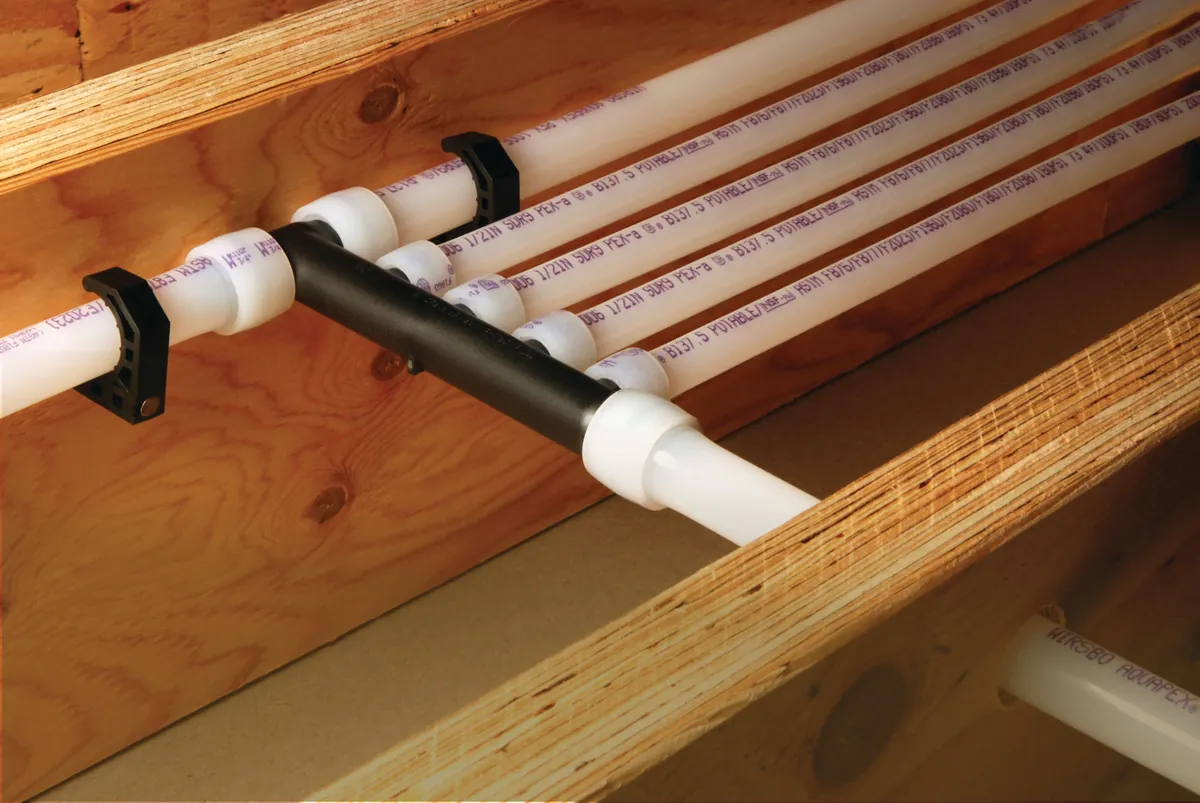
Flow rate, measured in gallons per minute, decides whether several fixtures can run at once. Here is what Coto de Caza owners should know about GPM.
Pressure gets most of the attention, but flow is what you feel when two showers, a dishwasher and the irrigation all run at the same time. Flow rate is the volume of water that moves through a pipe or fixture in a set time, usually measured in gallons per minute, or GPM. Large homes with many bathrooms depend on it. This guide explains Coto de Caza water flow rate in plain terms, since water flow rate in Coto de Caza homes is shaped by long runs, big lots and many fixtures.
Pressure and flow are different
Pressure is the push behind the water, measured in pounds per square inch. Flow is how much water actually moves. A home can have strong static pressure yet poor flow if pipes are narrow, partly blocked or very long. Think of a garden hose: pressing your thumb over the end raises the speed of the stream but reduces how much water comes out.
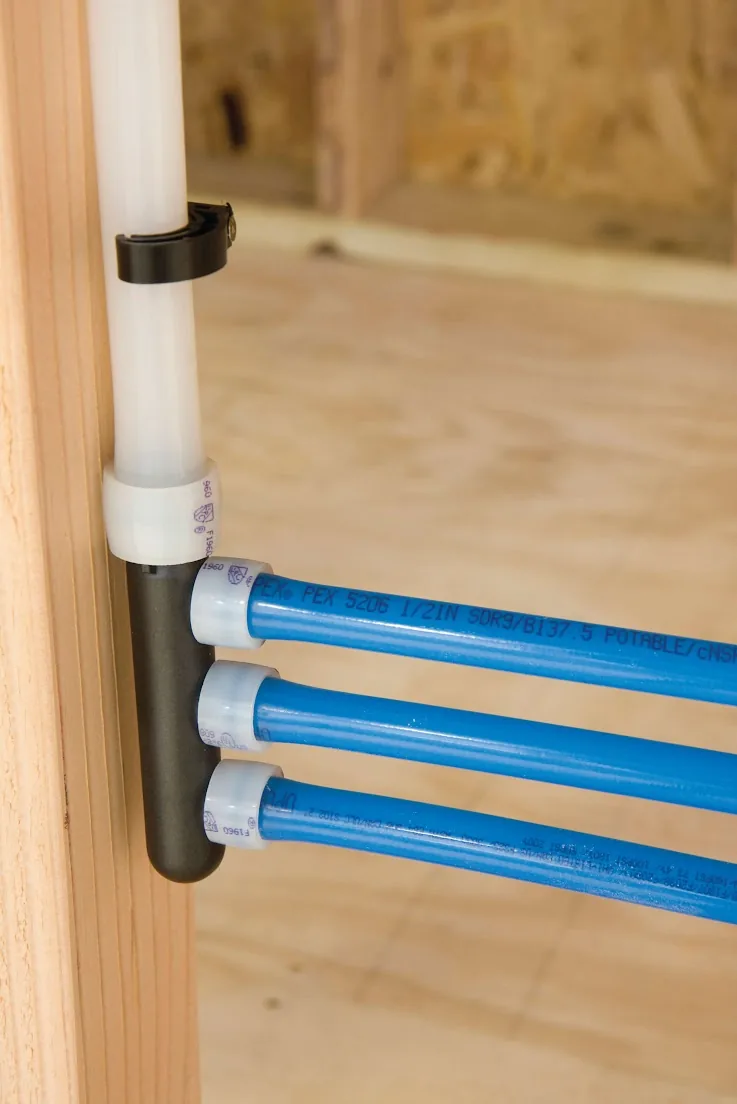
How fixtures use flow
Every fixture has its own demand. Faucets and shower heads sold in California carry flow limits printed on the fixture or packaging, often in the range of one to two gallons per minute. Bathtubs, hose bibs and some appliances can use much more. Add up the fixtures that might run at the same moment and you get a rough idea of peak demand for the house.
What limits flow in a house
Several things affect how much water reaches a fixture:
- Pipe size, since smaller lines carry less water at the same pressure.
- Length of the run, because friction steals a little pressure for every foot.
- Number of fittings, elbows and valves along the way.
- Scale or corrosion inside older metal pipes.
- Partly closed valves, clogged aerators or a failing pressure regulator.
- Filters and softeners, which can restrict flow if undersized or overdue for service.
A simple bucket test
You can estimate a fixture's flow with a bucket and a timer. Open the fixture fully, time how long it takes to fill a marked bucket, and divide the gallons by the minutes. Try it at the hose bib nearest the meter, then at a far bathroom. A big difference between the two can point to restrictions in the piping between them.
Flow and water heaters
Water heaters have flow limits too. A tankless heater must raise the temperature of water as it passes through, so it can only serve so many gallons per minute at a given temperature rise. A tank heater stores hot water but can run short if several fixtures draw at once. Matching heater capacity to realistic peak flow is part of sizing.
Water flow rate in Coto de Caza
Coto de Caza is a guard-gated community with large estate lots, many custom and semi-custom homes and houses spread across hills and ridgelines. Homes built from the 1980s into the 2000s often have long distances between the meter, the water heater and the farthest bathroom. Large irrigation systems, pools and outdoor kitchens compete for the same supply. Because Coto is unincorporated, building permits are generally handled by the County of Orange rather than a city, and the community associations may have their own rules for exterior work. These factors make a flow check especially useful before a remodel or addition.
Outdoor demand and timing
Irrigation, pool fill lines and outdoor showers can draw a large share of available flow. If sprinklers run early in the morning while people are showering, indoor fixtures may weaken noticeably. Staggering irrigation start times, checking for leaking valves in the yard and confirming that backyard lines are sized for their job all help indoor fixtures keep their share. A quick look at the irrigation controller schedule is often the easiest improvement a large property can make.
When to look closer
Signs that flow is limited include showers that weaken when another fixture opens, a tankless heater that shuts off at low flow, or slow filling at a distant tub. Measuring both pressure and flow at several points gives a plumber useful facts to work with instead of guesses.
Records and planning
Keep notes on pressure and flow measurements along with the dates. If you plan to add a bathroom, a larger tub or a casita, those numbers help a designer decide whether the existing supply can handle the extra demand. Photos of the meter, the main shutoff, the pressure regulator and the water heater label are also worth saving, since they answer many of the first questions a contractor will ask. Keeping everything in one folder, paper or digital, saves time later.
A quick wrap-up
Flow decides whether your home keeps up when everyone needs water at once. Measuring Coto de Caza water flow rate at a few fixtures, and understanding how water flow rate in Coto de Caza is affected by long runs and pipe size, gives you a clear starting point for any plumbing decision.
Quick takeaways
- Flow is volume per minute; pressure is the push behind it.
- Pipe size, length, fittings and scale all reduce flow.
- A bucket and timer give a quick GPM estimate.
- Large homes with long runs benefit from checking flow at the far fixtures.
Related reading
On this site, see water manifolds explained and choosing a water line size. Neighbors can visit Rancho Santa Margarita, Trabuco Canyon and Mission Viejo, or browse every city at repipeinc.com.
Checking water flow rate in Coto de Caza?
Request a free quote and talk with a licensed C-36 plumbing contractor about your home. Get my free quote. Our AI system alerts a technician instantly, so you get a fast callback.
Repipe OC, 23821 Hillhurst Drive, Laguna Niguel, CA 92677, (949) 524-2362, CSLB #1087885 C-36.
Repipe OC near you
Not in Coto de Caza? The same crew serves nearby cities. See every city we serve, or jump to a neighboring city:
 Written by Repipe OC · CSLB #1087885 C-36 · 23821 Hillhurst Drive, Laguna Niguel, CA 92677 · (949) 524-2362