Water Manifold Explained: What Coto de Caza Homeowners Should Know
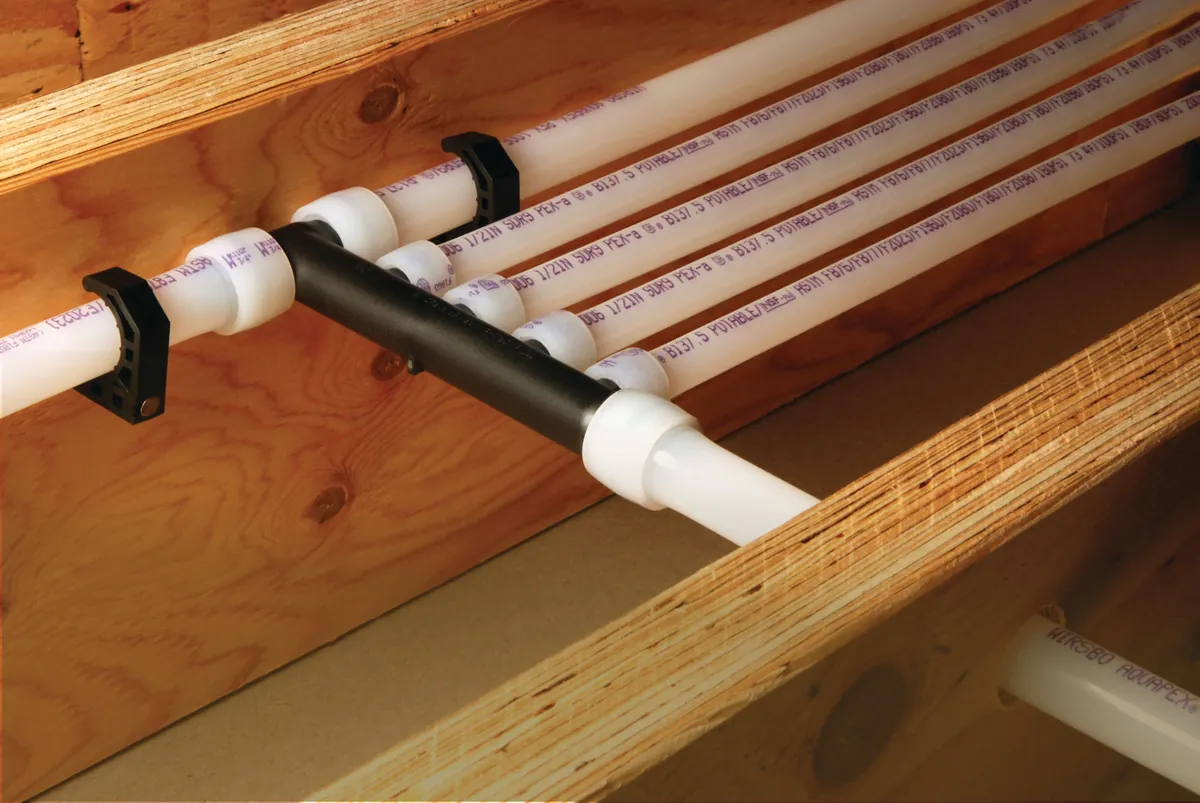
A water manifold splits the supply into separate lines for each fixture. Here is how it works and what Coto de Caza owners should know about it.
A water manifold is a distribution point that takes water from the main supply and divides it among several lines. Instead of one pipe that passes fixture after fixture, each sink, shower or appliance can have its own line back to a central block. This guide explains the idea in everyday language. In large homes, which are common in this community, a Coto de Caza water manifold is often discussed during remodels and repipes, and understanding a water manifold in Coto de Caza helps you ask better questions about layout and shutoff access.
How a manifold works
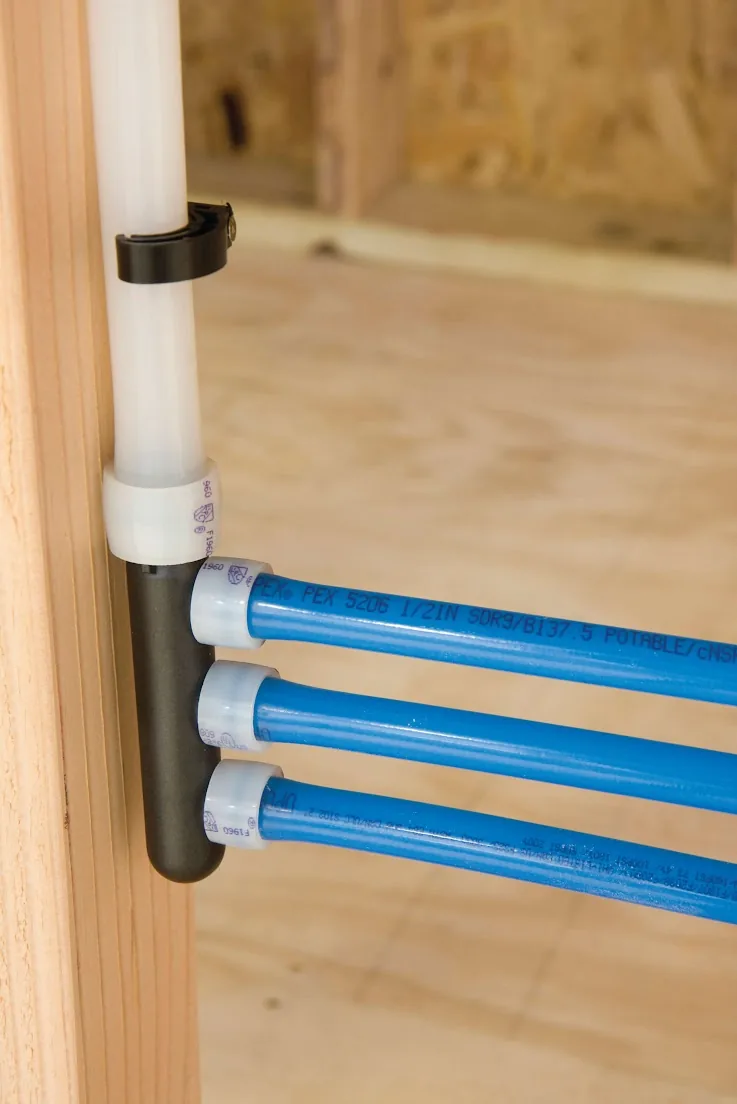
Picture a hub with one inlet and many outlets. Water enters the hub from the main line, then leaves through separate ports. Each port serves a single fixture or a small group, such as a bathroom. Many manifolds have a shutoff valve on every port, so a single fixture can be isolated without turning off the whole house. Hot and cold each have their own manifold, usually mounted side by side on a wall or in a cabinet.
Labeling and records
Whatever layout a home uses, labeling pays off. Tags on each valve that say which bathroom, kitchen or outdoor area it serves save time during emergencies. A photo of the finished layout before walls are closed is worth keeping with other home records. If a home changes hands, passing along a simple valve map helps the next owner find what they need quickly and avoids guesswork under pressure.
Manifold versus a branching layout
Traditional plumbing uses a trunk-and-branch design. A larger trunk runs through the house, and smaller branches peel off toward fixtures. A manifold layout is often called home-run, because each line runs straight from the hub to its fixture. Home-run layouts use more tubing, since every line makes the full trip, but they avoid many in-wall joints along the way.
Why people like them
- Individual shutoffs let you stop one leak without losing water everywhere.
- Fewer fittings inside walls means fewer places that could leak.
- Pressure can stay steadier when two fixtures run at once, since each has a separate path.
- Labeling each port makes future repairs easier to plan.
Things to consider
A manifold needs a place to live. It should be in an accessible spot, such as a utility closet, garage wall or cabinet, with room to reach every valve. Long runs from a distant manifold can lengthen the wait for hot water, so location matters. The tubing and fittings should be a type approved for the manifold system being used, and code rules about support and protection still apply. A manifold does not fix poor water pressure or a failing pressure regulator; it simply organizes what flows through the house.
Manifolds and large layouts
In big homes with many bathrooms, a manifold can be paired with more than one hub, for example one for each floor or wing. This keeps lines shorter and makes it easier to know which valve controls which room. Homeowners sometimes ask whether a manifold makes sense in an older home. The answer depends on access and layout, since reaching walls and ceilings in finished rooms can be harder than in new construction.
Water manifold in Coto de Caza homes
Coto de Caza is a guard-gated community of larger houses built mostly from the 1980s through the 2000s, many on generous lots with pools, guest suites and outdoor kitchens. Those features mean long supply runs, many fixtures and several zones of use. Because the community is unincorporated, plumbing permits generally go through the County of Orange rather than a city. A homeowners association also typically has rules for exterior changes and work schedules. Before planning any manifold work, owners should check association requirements and confirm which agency handles permits and inspections for their lot.
Questions to ask
If a quote mentions a manifold, ask where it will be mounted, how many ports it has, whether each port has a shutoff valve and how lines will be labeled. Ask how the system will be tested at pressure and what documentation you will receive. Clear answers help you compare options and plan future access.
The big picture
A water manifold gives each fixture its own supply line and its own shutoff, trading extra tubing for simpler isolation and fewer hidden joints. For homes with many bathrooms and outdoor features, a Coto de Caza water manifold plan, along with a clear understanding of the water manifold in Coto de Caza homes, can make future maintenance easier and shutoffs easier to find.
Quick takeaways
- A manifold splits the supply into separate lines, one per fixture or group.
- Individual shutoffs let you isolate one fixture without losing the whole house.
- It needs an accessible location and clear labeling.
- Check association and county permit requirements first.
Related reading
On this site, see trunk-and-branch plumbing and large home repipe. Neighbors can visit Rancho Santa Margarita, Trabuco Canyon and Mission Viejo, or browse every city at repipeinc.com.
Thinking about a water manifold in Coto de Caza?
Request a free quote and talk with a licensed C-36 plumbing contractor about your home. Get my free quote. Our AI system alerts a technician instantly, so you get a fast callback.
Repipe OC, 23821 Hillhurst Drive, Laguna Niguel, CA 92677, (949) 524-2362, CSLB #1087885 C-36.
Repipe OC near you
Not in Coto de Caza? The same crew serves nearby cities. See the Repipe OC hub (repipeinc.com), or jump to a neighboring city:
 Written by Repipe OC · CSLB #1087885 C-36 · 23821 Hillhurst Drive, Laguna Niguel, CA 92677 · (949) 524-2362