PEX and Fire Safety: Facts for Coto de Caza Homeowners
Homeowners in fire-aware communities often ask how plastic water pipe behaves in a fire. Here is a plain look at PEX, codes and clearances for Coto de Caza homes.
Living near open hillsides makes fire a real part of planning a home, and it is natural to ask how plastic water pipe fits into that picture. Questions about Coto de Caza PEX fire safety usually come up when owners compare PEX with copper for a repipe or remodel. This guide explains how PEX behaves in heat, what codes say about it, and where clearances matter. Understanding PEX fire safety in Coto de Caza starts with separating real concerns from common myths.
How PEX responds to heat
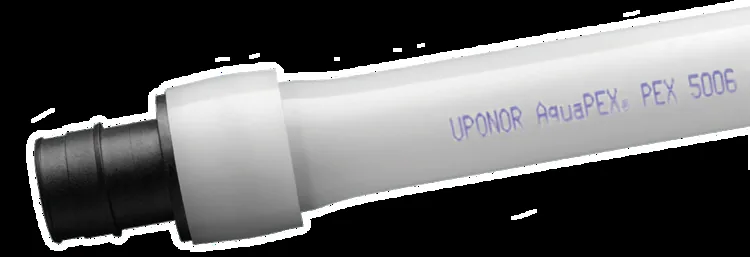
PEX is cross-linked polyethylene, a plastic designed to handle hot water at the temperatures and pressures found in homes. Its ratings cover normal household use, not the extreme heat of a structure fire. Like other plastics, PEX will soften, melt and burn if it is exposed directly to flames. Copper, by comparison, has a much higher melting point. PEX also has temperature and pressure ratings printed along the tubing, and those numbers describe the conditions it can handle for a long service life in normal use.
That difference sounds important, but it helps to keep it in perspective. In a house fire, the framing, insulation, furniture and finishes provide far more fuel than the water pipes inside the walls. Pipes are a very small part of what burns. Building codes are written with that in mind, which is why PEX is approved for water supply in homes across California when it is installed as the manufacturer and code require.
Where codes focus on fire
Fire rules for plumbing are mostly about openings and clearances rather than the pipe itself.
- Fire-rated walls and ceilings, such as the wall between an attached garage and the living space, are built to slow the spread of fire. When any pipe passes through them, the opening must be sealed with an approved firestop method so the rating is kept.
- PEX manufacturers publish clearance rules near heat sources. Gas water heaters are the most common example, and instructions often call for a metal connector or a set distance between PEX and the vent and burner area.
- PEX should not run near flues, fireplaces or other hot surfaces unless the manufacturer allows it.
Fire sprinklers are a separate system
Some newer and larger homes have residential fire sprinklers. Pipe used for sprinklers must be listed specifically for that purpose, and certain PEX products carry that listing. The system is designed, permitted and inspected on its own terms, so changes near sprinkler piping should be reviewed carefully. Never assume ordinary water supply tubing can be tied into a sprinkler line. If your home has sprinklers, keep the system documents and any inspection reports with your other home records, and mention the system to anyone planning plumbing work so it can be protected during the project.
Coto de Caza PEX fire safety and hillside homes
Coto de Caza is a gated community of large homes built mostly from the 1970s through the 2000s, with estate lots and open space that brings both scenery and wildfire awareness. Many homes have long pipe runs, multiple water heaters and attached garages, which means more firestop penetrations and more heat-source clearances to check. The community association may also have its own rules for exterior work. For homes here, the details that matter most are the ones an inspector reviews: sealed penetrations, proper clearances and correct listings.
Practical steps for homeowners
Keep exposed plastic pipe out of direct sunlight and away from heat. Make sure the area around water heaters stays clear of stored items. Test smoke alarms on schedule, since early warning matters far more than pipe material. If a remodel opened a fire-rated wall, confirm that the penetrations were sealed before drywall went back up. When planning a repipe, ask your contractor how the work will meet the manufacturer's clearances and the local code, and keep the permit records with your home documents.
PEX, copper and other approved materials can all be part of a safe home when they are installed correctly. Clear answers on PEX fire safety in Coto de Caza come from the code, the manufacturer's instructions and a careful inspection.
Quick takeaways
- PEX melts in direct flame, but pipes are a tiny share of a home's fuel load.
- Firestopping at rated walls and ceilings is where codes focus.
- Follow manufacturer clearances near gas water heaters and other heat sources.
- Sprinkler systems need pipe listed for fire protection.
Related reading
On this site, see trunk-and-branch plumbing and water heaters in the attic. Neighbors can visit Rancho Santa Margarita, Trabuco Canyon and Mission Viejo, or browse every city at repipeinc.com.
Questions about PEX fire safety in Coto de Caza?
Request a free quote and talk with a licensed C-36 plumbing contractor about the water piping in your home. Get my free quote. Our AI system alerts a technician instantly, so you get a fast callback.
Repipe OC, 23821 Hillhurst Drive, Laguna Niguel, CA 92677, (949) 524-2362, CSLB #1087885 C-36.
Repipe OC near you
Not in Coto de Caza? The same crew serves nearby cities. See the Repipe OC hub (repipeinc.com), or jump to a neighboring city:
 Written by Repipe OC · CSLB #1087885 C-36 · 23821 Hillhurst Drive, Laguna Niguel, CA 92677 · (949) 524-2362