Attic Water Heaters in Coto de Caza: Drain Pans, Access and Leak Risks
A water heater above the ceiling saves floor space but raises the stakes when it leaks. Here is what Coto de Caza homeowners should know about attic installations.
Most water heaters in Southern California sit in a garage, a closet or an exterior cabinet, but some homes have one tucked into the attic. The location saves floor space, yet it puts dozens of gallons of hot water above finished ceilings. This guide explains how a Coto de Caza attic water heater should be set up, what to inspect, and the warning signs that deserve quick attention. If you have an attic water heater in Coto de Caza, or are considering moving one there, read on.
Why some heaters end up in the attic
Builders and remodelers sometimes place water heaters in attics to free up garage space, to shorten pipe runs to distant bathrooms, or because a remodel took away the original closet. Tankless units are also sometimes mounted in attics or on exterior walls. Each choice trades convenience for access, because anything in an attic is harder to see, service and replace.
What a safe attic installation includes
Codes and manufacturer instructions set specific requirements for heaters in attics. Common elements include:
- A drain pan under the tank, with a drain line that runs to a safe place where water will be noticed.
- A solid platform and a clear, sturdy walkway from the attic opening to the heater.
- An opening and passageway large enough to remove the heater in one piece.
- A light and a receptacle near the unit for service.
- A temperature and pressure relief valve with its own discharge pipe routed to an approved location.
- For gas units, proper combustion air and venting through the roof.
Many homeowners also add a leak sensor in the pan and an automatic shutoff valve on the cold supply, so a slow leak triggers an alert and stops the water.
The risk when something fails
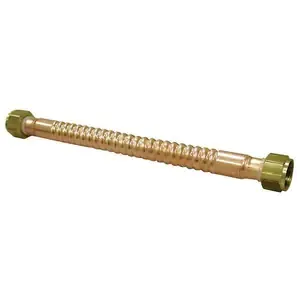
When a garage heater leaks, the water usually runs to the floor and out the door. When an attic heater fails, water can spread across ceiling drywall, soak insulation and drip into rooms below before anyone sees it. A clogged pan drain, a corroded tank seam or a failed flex connector can all start the problem. Tanks also hold sediment, and attic heat can make it harder to tell when a unit is struggling.
Maintenance is harder up high
Flushing sediment, testing the relief valve and checking the anode rod all take longer when the heater is reached through a ceiling hatch. Many owners skip these steps, which shortens tank life. Keep the walkway clear, check the pan for moisture a few times a year, and look for rust streaks at the base and the fittings on top.
Attic water heater in Coto de Caza homes
Coto de Caza is mostly larger custom and semi-custom homes built from the 1970s onward, many with long distances between the garage and the farthest bathrooms. In some homes that distance has led to secondary heaters or recirculation, and occasionally equipment placed above the ceiling. Hot summer attic temperatures in canyon areas add stress to plastic parts, wiring and sensors near the unit. If your home has a water heater above the ceiling, it is worth knowing exactly where the pan drain ends and whether anyone has checked it recently.
Warning signs to act on
- Water stains or bubbling paint on the ceiling below the heater.
- A pan that holds standing water or shows rust lines.
- Dripping from the relief valve discharge pipe.
- Rumbling, popping or a sudden drop in hot water supply.
Moving the heater out of the attic
Some owners choose to relocate the heater to a garage or exterior closet at replacement time. Relocation means rerouting supply lines, gas or electrical service and venting, and it usually requires a permit. It can also be a chance to look at the condition of the rest of the supply piping, since a long-overdue water heater often shares a home with aging pipe. Talk the options through before the old unit fails, so the decision is not made during an emergency with water on the ceiling. A Coto de Caza attic water heater that is planned ahead is far less stressful than one replaced in a rush.
Quick takeaways
- Attic heaters need a drained pan, a platform, a walkway, light and service access.
- Leak sensors and automatic shutoffs add a layer of protection.
- Ceiling stains and a wet pan are early warnings, not cosmetic issues.
- Relocation at replacement time is an option worth weighing.
Related reading
On this site, see choosing a water heater size and water leaks inside walls. Neighbors can visit Rancho Santa Margarita, Trabuco Canyon and Mission Viejo, or browse every city at repipeinc.com.
Questions about an attic water heater in Coto de Caza?
Request a free quote and talk with a licensed C-36 plumbing contractor about your water heater location and supply lines. Get my free quote. Our AI system alerts a technician instantly, so you get a fast callback.
Repipe OC, 23821 Hillhurst Drive, Laguna Niguel, CA 92677, (949) 524-2362, CSLB #1087885 C-36.
Repipe OC near you
Not in Coto de Caza? The same crew serves nearby cities. See the Repipe OC hub (repipeinc.com), or jump to a neighboring city:
 Written by Repipe OC · CSLB #1087885 C-36 · 23821 Hillhurst Drive, Laguna Niguel, CA 92677 · (949) 524-2362