Rough-In Plumbing Explained for Coto de Caza Remodels
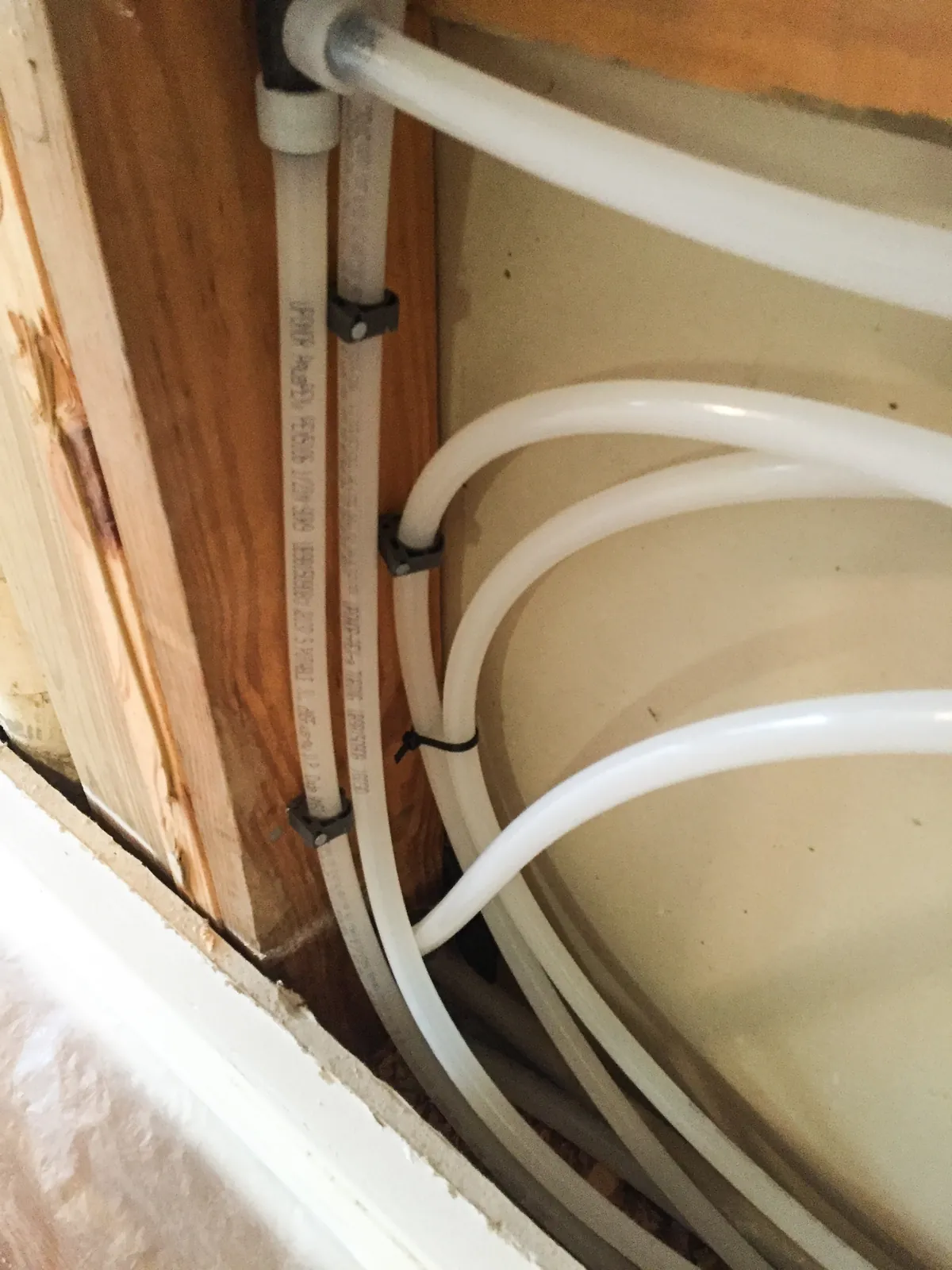
Rough-in is the stage when pipes go into open walls before drywall. Here is what it means for Coto de Caza remodels, additions and repipes.
Every plumbing project that opens walls has a stage called rough-in. It is the point when new pipes are placed inside the framing, before drywall, tile or cabinets go back. Most of the work that matters for the life of the system happens here, even though it is hidden later. This guide explains Coto de Caza rough-in plumbing in plain terms. If you are planning an addition, remodel or repipe, knowing what rough-in plumbing in Coto de Caza involves helps you follow the schedule and the inspections.
What rough-in means
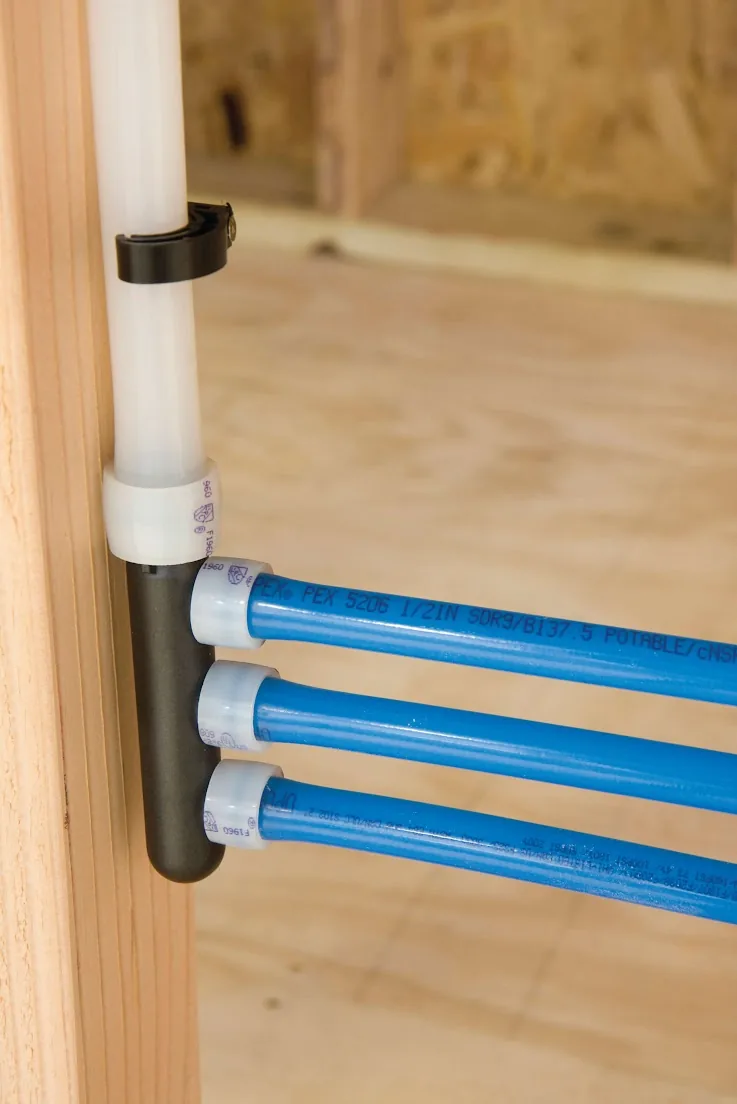
Rough-in covers the supply and drain piping inside walls, floors and ceilings. For water supply, it means running hot and cold lines from the source to each fixture location and ending them at stub-outs. For drains, it means placing waste and vent pipes with the correct slope. Fixtures themselves, such as faucets, toilets and sinks, are installed later during the finish stage.
The term also covers the measurements that decide where fixtures will sit. A shower valve, a vanity drain or a toilet flange has to be placed at the right height and distance from walls, or the finished room will not line up.
Supply rough-in versus drain rough-in
Supply and drain rough-in follow different rules. Supply lines are pressurized, so they can run uphill, downhill or around obstacles as long as they are sized and supported correctly. Drain lines rely on gravity, so they must slope steadily toward the main drain, often about a quarter inch per foot for smaller pipes. Drains also need vents to let air in and keep traps from siphoning dry. Because of these limits, drain locations often decide where a fixture can go, while supply lines are routed to meet them. When planning a new bathroom or moving a sink, owners should expect the drain path to be the biggest constraint. Asking early where drains and vents can run saves time and avoids redesigns once framing is open.
Common rough-in measurements
Exact numbers depend on the fixtures chosen, but some typical references are widely used:
- A toilet drain is often centered about 12 inches from the finished back wall.
- Vanity supply stub-outs are commonly placed around 18 to 22 inches above the floor.
- Shower valves are often set around 48 inches above the floor, with the head higher.
- Kitchen sink drains are usually set to suit the cabinet and disposal.
Fixture makers publish rough-in sheets for each model, and those sheets should guide final placement.
The rough-in inspection
In most jurisdictions, rough-in plumbing must be inspected before walls are closed. The inspector looks at pipe sizing, supports, protection where pipes pass through framing, and the pressure or water test that shows the new lines hold without leaking. Passing this inspection is a milestone, because covering pipes before approval can mean reopening walls later.
Why rough-in decisions last
Once drywall and tile are installed, changing rough-in work becomes expensive and disruptive. Decisions made at this stage include:
- Where each line runs and how many fittings it passes through.
- How pipes are supported and protected from nails and screws.
- Where shutoffs and access panels will be placed.
- Whether hot water lines are insulated.
Taking a few extra minutes to review these choices before walls close can prevent problems that would otherwise appear years later.
Rough-in plumbing in Coto de Caza homes
Coto de Caza is a gated community of large homes built mostly from the 1970s through the 2000s, with estate lots, long hallways and multiple wings. Remodels here often involve big primary bathrooms, outdoor kitchens or guest suites, all of which start with a rough-in stage. Because the community is unincorporated, permits are generally handled through the County of Orange, and the community association may have its own rules for contractor access and work hours. Coto de Caza rough-in plumbing for a large home often involves long runs, so planning routes early saves time.
Before the walls close
Ask to see the rough-in before drywall goes up, and take photos of every open wall. Those photos become a map of where pipes run, which is useful for future picture hanging, remodels or repairs. A licensed contractor can walk you through what passed inspection and why. Good records of rough-in plumbing in Coto de Caza homes are one of the most practical things an owner can keep.
Quick takeaways
- Rough-in is when pipes go into open walls, before finishes.
- Fixture rough-in sheets guide exact heights and distances.
- An inspection usually happens before walls are closed.
- Photograph open walls to keep a map of your pipes.
Related reading
On this site, see large home repipe and vaulted ceiling home repipe. Neighbors can visit Rancho Santa Margarita, Trabuco Canyon and Mission Viejo, or browse every city at repipeinc.com.
Planning Coto de Caza rough-in plumbing?
Request a free quote and talk with a licensed C-36 plumbing contractor about your addition, remodel or repipe. Get my free quote. Our AI system alerts a technician instantly, so you get a fast callback.
Repipe OC, 23821 Hillhurst Drive, Laguna Niguel, CA 92677, (949) 524-2362, CSLB #1087885 C-36.
Repipe OC near you
Not in Coto de Caza? The same crew serves nearby cities. See the Repipe OC hub (repipeinc.com), or jump to a neighboring city:
 Written by Repipe OC · CSLB #1087885 C-36 · 23821 Hillhurst Drive, Laguna Niguel, CA 92677 · (949) 524-2362