Before Your Rinnai Tankless Water Heater Installation in Coto de Caza: Questions to Ask
Coto de Caza homeowners comparing Rinnai models: indoor vs outdoor, condensing vs non-condensing, and the gas and vent work that decides how well it runs.
A Rinnai unit on the wall is the visible part of the upgrade. The gas line, vent path, and water piping behind it decide whether it works quietly for years or throws error codes in the first winter. Coto de Caza estates can need more hot water than a single unit delivers, which opens the question of larger models, multiple units, or recirculation.
Repipe OC plans Rinnai tankless water heater installation for Coto de Caza homes from our Laguna Niguel shop on Hillhurst Drive, with permits and inspection included.
Local factors in Coto de Caza
National install guides do not account for Coto de Caza specifics: Santa Margarita Water District water, the housing mix in North Coto, South Coto, The Village, Coto Ridge, Golf Estates, and local permit and air-quality requirements.
We photograph the current setup, note anything that affects the install, and give you a written scope that separates the heater itself from gas, venting, and any piping work.
A brand choice and a plumbing decision
Choosing Rinnai settles the brand question. It does not settle sizing, location, venting, or whether the old copper or galvanized lines can handle the change. A Rinnai tankless water heater installation done carefully answers each of those questions in writing before work begins, so you know what is being replaced, what is being upgraded, and why.
Repipe OC approaches every tankless conversion the same way we approach a repipe: measure first, protect the home, pull the permit, and test before we leave.
One project instead of two
Homeowners often install a tankless heater one year and repipe the next, opening the same walls twice. Combining the work means one permit cycle, one round of drywall patching, and a heater location chosen with the new piping layout in mind.
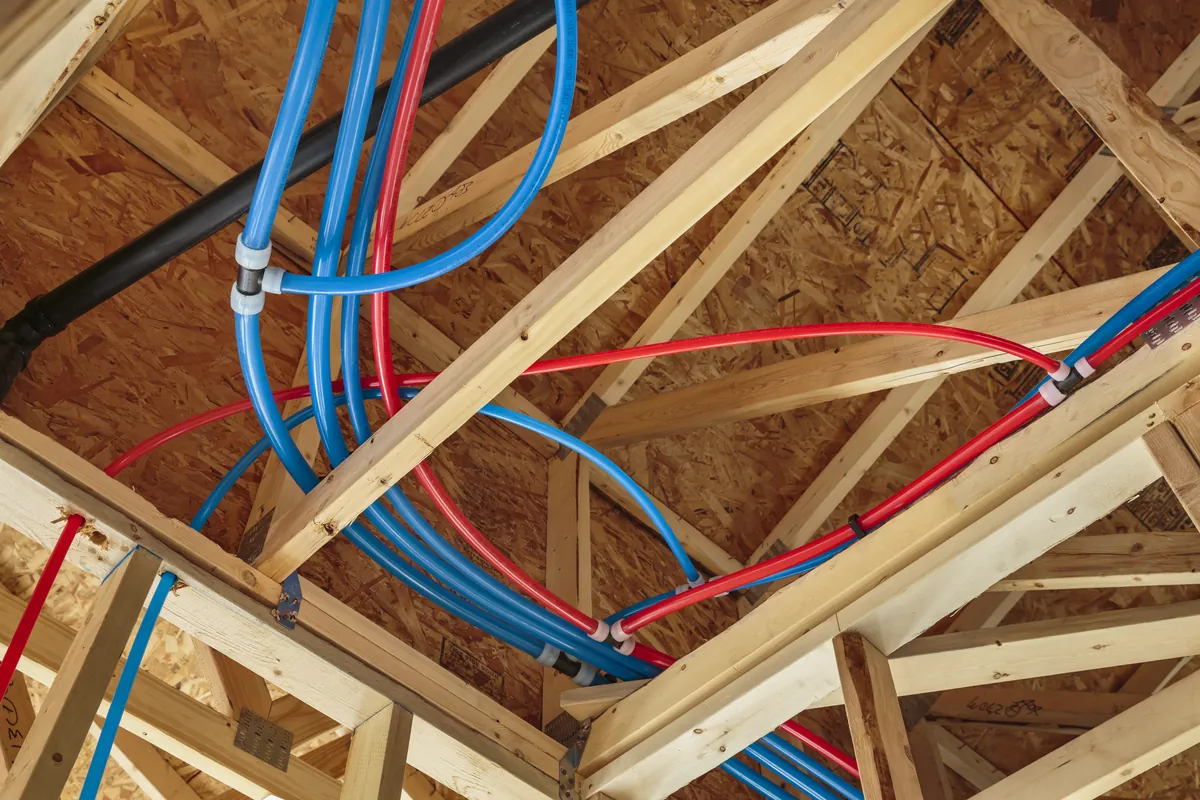
Repipe OC uses PEX-A expansion fittings for whole-house supply, which keeps full-bore flow to the heater and fixtures. If the piping is sound, we say that too and install the Rinnai on its own.
Warranty paperwork and registration
Manufacturer warranties generally expect installation by a licensed contractor following the installation manual, and many brands ask owners to register the unit after install. We leave you with the model and serial numbers, the permit record, and the details needed to register.
Keeping those records together—along with descaling dates—makes any future warranty conversation straightforward.
Coto de Caza install notes
Golf Estates and Coto Ridge homes with several bathrooms, large tubs, and guest casitas can exceed what one unit delivers comfortably. Rinnai units can be linked for higher capacity, or separate units can serve different wings. We map where hot water is used and recommend the simplest setup that keeps every fixture supplied.
Gas, venting, power, and drain—the four connections
- Gas: confirm capacity under full load; upsize the branch if needed
- Venting: route per the manufacturer's manual with correct terminations
- Power: most Rinnai units need a standard 120-volt outlet for controls and ignition
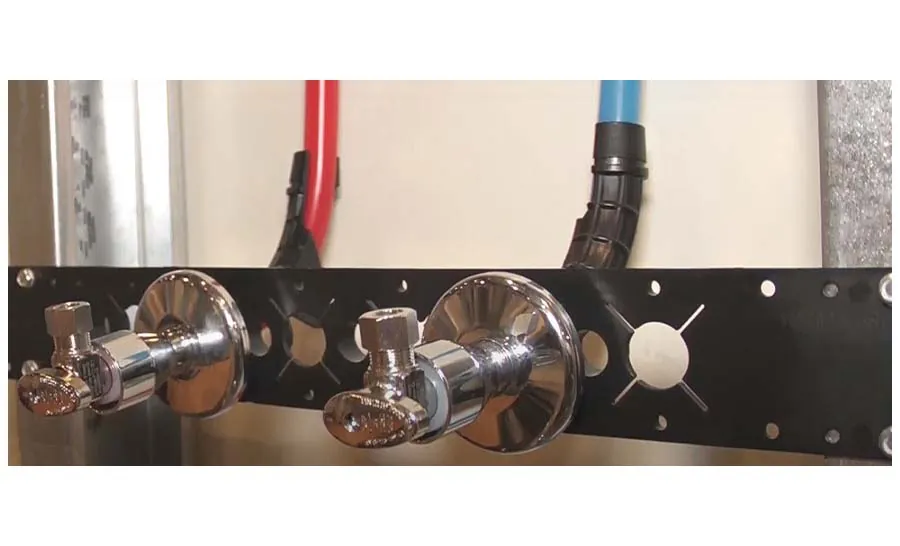
- Drain: condensing units need a condensate line, usually with a neutralizer
Skipping any one of these is how tankless installs end up with nuisance shutdowns. Each is listed and inspected on a permitted job.
Where Rinnai units live in Orange County homes
In South OC tract homes the old tank usually sits in the garage, a closet off the laundry, or an exterior alcove. Each location points to a different Rinnai setup. Garage installs often take an indoor condensing unit vented through a side wall. Exterior alcoves are natural spots for outdoor models. Interior closets may need new vent routing that has to clear windows and soffits.
Placement also affects how long you wait for hot water. Moving the heater closer to the bathrooms—something that is much easier during a whole-house repipe—can matter more than any model upgrade.
Questions we ask before recommending a model
- How many bathrooms are used at the same time on a busy morning?
- Is there a large soaking tub or multi-head shower?
- How far is the farthest fixture from the current heater location?
- Does the dishwasher or washer run while people shower?
- Are you planning to add a bathroom or ADU?
The answers decide the model, whether recirculation is worth adding, and how much gas capacity the home needs.
Common questions from Coto de Caza homeowners
Indoor or outdoor model? It depends on the current location, wall space, and HOA rules.
Is my gas line big enough? Many are not. We check before recommending a model.
How often should it be flushed? Follow the manual and your water conditions; isolation valves make it quick.
Should I repipe at the same time? If your pipes show pinholes, corrosion, or polybutylene, combining the work usually makes sense.
Next step for Coto de Caza homeowners
Send a photo of your current water heater and gas line, plus your Coto de Caza address, and call (949) 524-2362. We will recommend a Rinnai setup and tell you whether your pipes should be part of the job. Repipe OC · 23821 Hillhurst Drive, Laguna Niguel, CA 92677 · CSLB #1087885.
Repipe OC near you
Not in Coto de Caza? The same crew serves nearby cities. See all Orange County service areas at repipeinc.com, or jump to a neighboring city:
 Written by Repipe OC · CSLB #1087885 C-36 · 23821 Hillhurst Drive, Laguna Niguel, CA 92677 · (949) 524-2362